


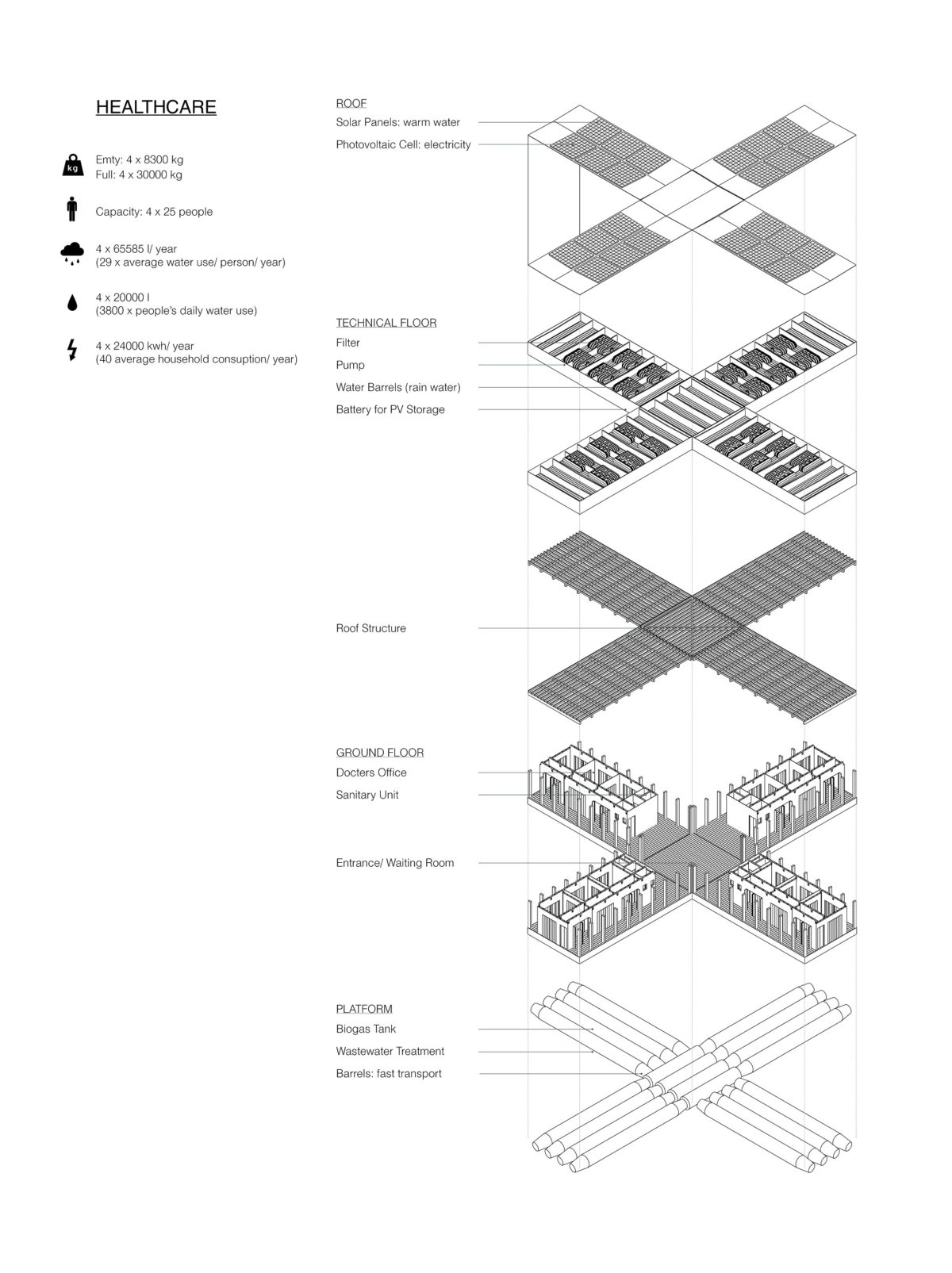
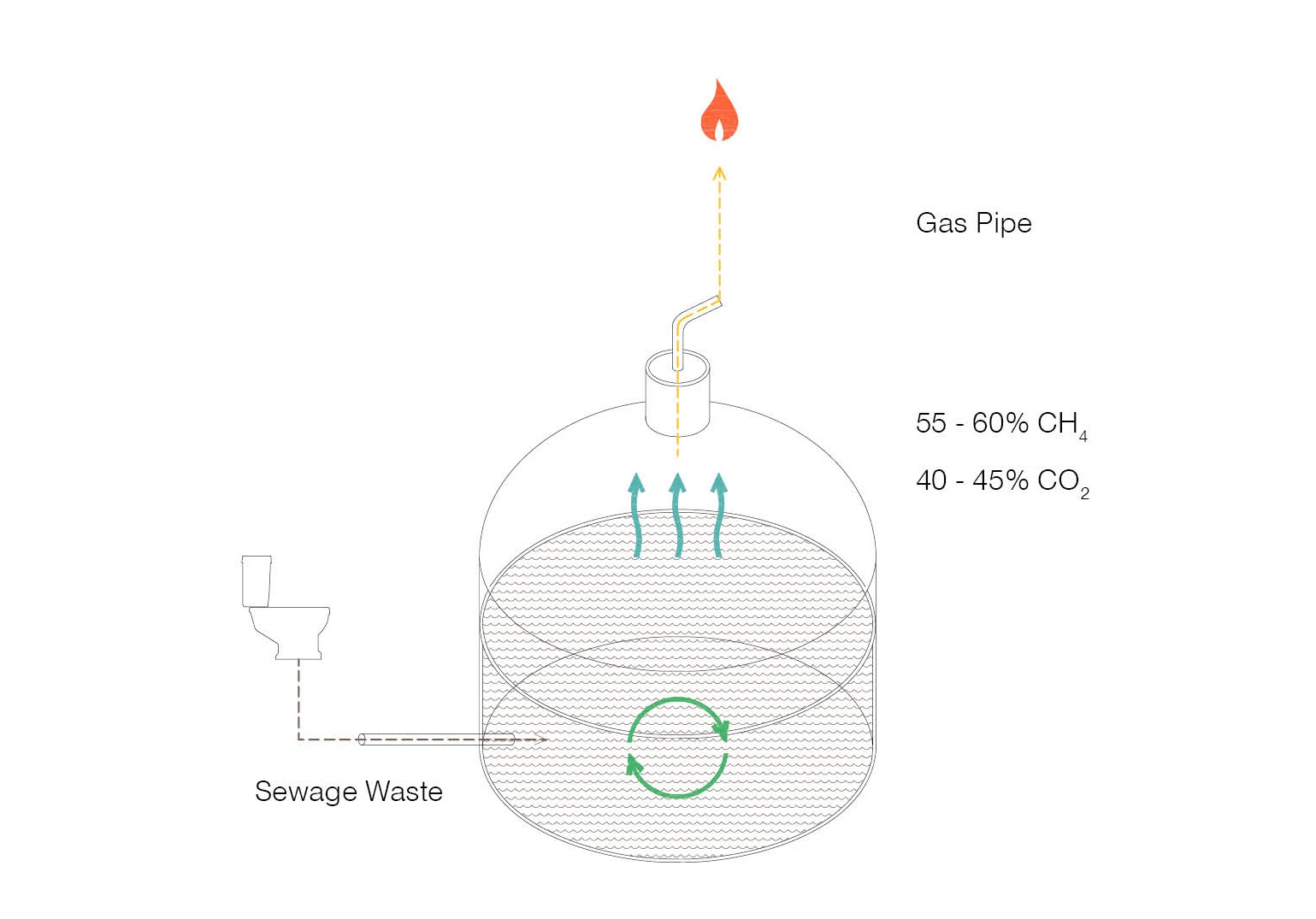
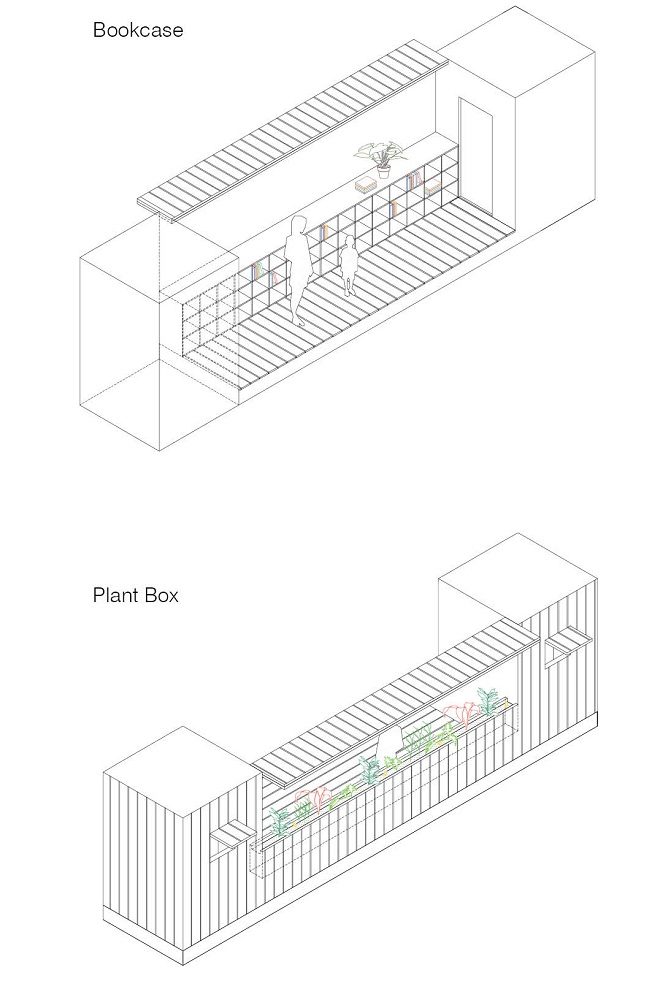
Tonle Sap
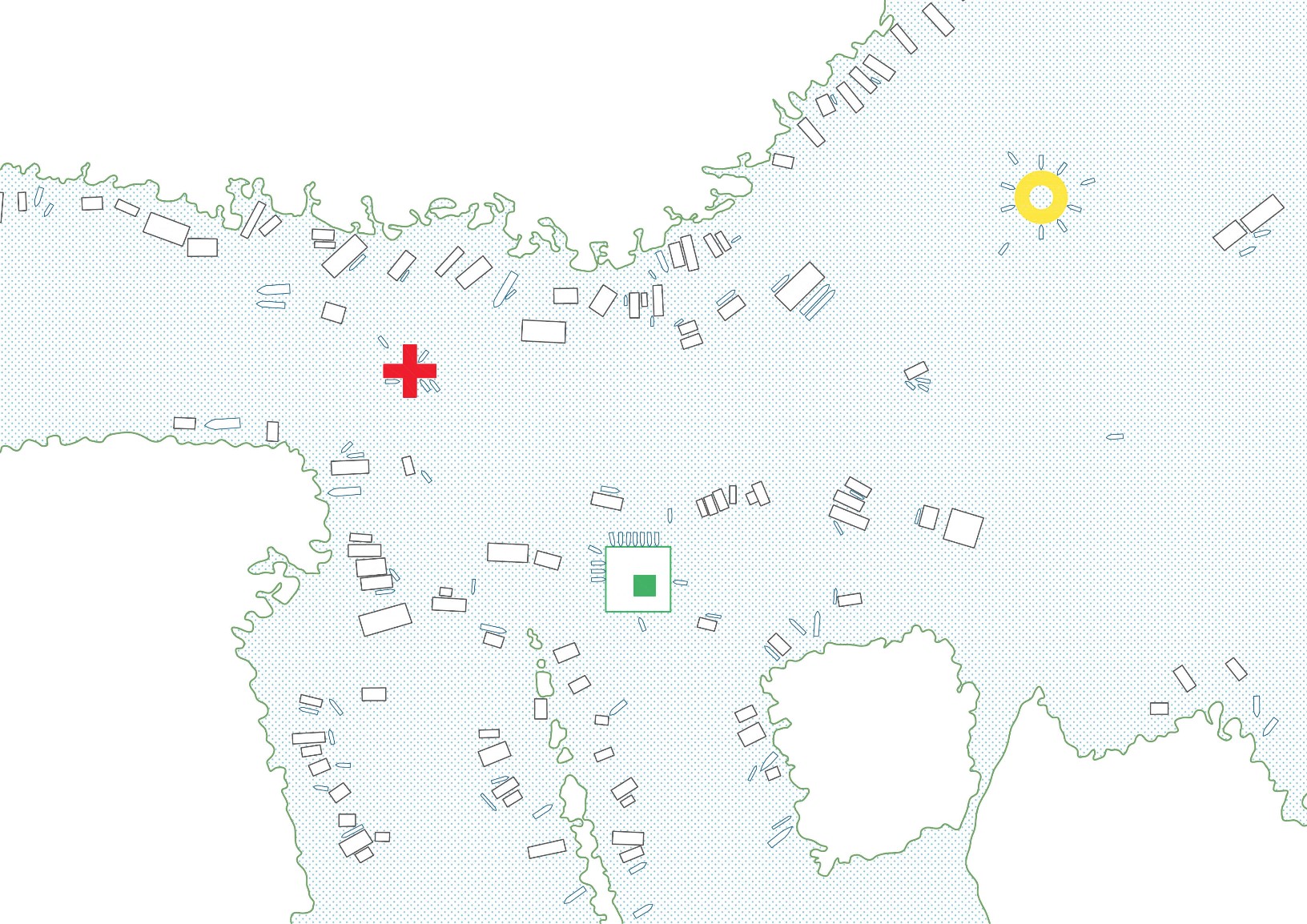
is the largest lake in Cambodia with a size that varies between 2500 km² and 16000km² over the course of a year. It is good for 400,000 tons of fishing each year and is home to 1.200.000 people living mostly in floating communities.
In response to an open call, we proposed a project that tries to achieve maximum impact with a minimum of means.
The Tonle Sap lake is renowned for being a remote haven for nature lovers. It is the habitat to more than 100 varieties of water birds and approximately 150 species of fish. Many of these are classed as ´globally severely threatened´ or ´near-threatened´ breeds, making the lake an important foster for wildlife in the region and globally. Approximately 1.2 million people make Tonle Sap their home. Many live on movable floating villages to cater for the dramatic seasonal fluctuations of the lake and the migratory nature of the lake´s fish. These remote communities rely heavily on fish as a form of livelihood and sustenance.
Today, the wellbeing of Tonle Sap’s ecosystem is severely under threat from the national and international price of rapid modernity. As the nation and the region develop, high levels of pollution find their way into its waters. This poses a huge threat to the safeguarding of future generations of both wildlife and human population.
To make matters worse, the problems afflicting the general population of Cambodia are aggravated and reinforced by the remoteness and migratory nature of the floating villages on the lake. Ecological education is lacking, resulting in a vicious cycle of degradation. This is rendered worse by substandard living conditions exacerbated by dangerously high poverty levels: with over 28% of Cambodian families struggling below the poverty line, many of which concentrate on the lake. The lack of basic sanitary provisions means that disease epidemics are an everyday risk to human life.
We use cookies to improve your experience on our site. By using our site, you consent to cookies.
Websites store cookies to enhance functionality and personalise your experience. You can manage your preferences, but blocking some cookies may impact site performance and services.
Essential cookies enable basic functions and are necessary for the proper function of the website.
These cookies are needed for adding comments on this website.
Statistics cookies collect information anonymously. This information helps us understand how visitors use our website.
Google Analytics is a powerful tool that tracks and analyzes website traffic for informed marketing decisions.
Service URL: policies.google.com